Garden Resolutions

I don’t make New Year’s resolutions. I really tend to think about how I can better something… in manageable chunks. Not a one liner that sets me up for discouragement.  
For all gardeners, hope springs eternal and thinking about what we want to do in the garden feeds that hope that continually filters through the seasons to come. As we begin the new year, think more  new inspirations rather than resolutions. Inspire to learn, do and create something new in the garden. Odds are it will be much more rewarding than dieting!

 Take a Class:  In the garden, learning never stops. Take a class on a garden subject that you have always wanted to learn. Resources are bountiful in the pacific northwest. Join me for some upcoming seminars at the Tacoma Home and Garden Show the last week in January, (www.otshows.com)  January 26th, 2012 at noon: Landscaping with Herbs, Many herbs are overlooked for their texture and beauty that create fragrant hedges, mixed borders, container gardens and more. All sizes and styles of gardens come into play. Just imagine a French Provençal style garden with the purple haze of lavender or a Mediterranean garden with fragrant rosemary. Herb varieties can bring classic style and take the center stage in many designs.  January 27th, 2012 at noon: Garden Design DIY, A beginners guide and creative approach to designing a garden. Practical tips to get the process going successfully. Don’t just create a landscape; plant a garden with texture, dimension and longevity. Make it yours. Easy ideas to incorporate the practical aspects to create the garden you have always dreamed of. Shortcuts to designing by using photographs and many more insider tips. January 28th at 3 pm: Garden Borders from Dull to DramaHow-to tips and ideas for editing existing mixed garden borders; easy ways to re-invent without having to completely re-do. Learn tricks of the trade and create fabulous mixed borders. Peel back the layers of plantings; discover what is missing and where to add puddles and pockets of color and texture and drama! Photos inspirations and step-by-step instruction to become your own designer.

Go Organic: Learn to tolerate a few weeds and nibbled leaves. Be good to the environment and use organic means of controlling pests and problems. Start with natural lawn care. It can be the biggest water hog and chemical demanding part of the garden. Learn how and practice management of an environmentally friendly yard. The experts are at Seattle Tilth! (www.seattletilth.org)

Take a Garden Tour: Visit gardens like Lakewold (www.lakewoldgardens.org ) or the Chase Garden (www.chasegarden.org)  for inspiration of classic designs.  Join the Northwest Perennial Alliance (www.northwestperennialalliance.org) and receive their open gardens book. This is an opportunity when local gardeners open their private spaces. Take notes and pictures, it is one of the best learning opportunities to see what grows well in this area and enjoy the peak season of gardens.

Plant Vegetables: Imagine tomatoes fresh off the vine and leaf lettuces from the garden. This season, find a sunny spot and plant some vegetables to enjoy what the garden can give back to you.  Hit the seed racks this spring for lots of variety. Here is a short list of some of my favorite “go-to” suppliers  Ed Hume Seeds (www.humeseeds.com) , Renee’s Garden (www.reneesgarden.com) and Territorial Seeds (www.territorialseed.com)

Plant Natives: In garden designing, I see more and more homeowners looking to eliminate native areas…such a shame. Many natives are desirable plants that are beautiful in landscape design, either as a backdrop to more “cultured” plantings,  mingled in mixed beds and borders or creating a “finished edge” to the beginning of natural woodlands.  Take time to learn more about natives and plant them. Local nursery with lots of info: Woodbrook Nursery (www.woodbrooknativeplantnursery.com)

Keep a garden calendar or journal: It can be as simple as an ordinary calendar. Write down something every day about the garden, it can be regarding the weather, a new bird sighting, the day something bloomed and any tasks done. It will be a valuable tool for seasons to come. Indulge in a new journal with the beautiful artistry of Jill Bliss (www.jillbliss.com)

Compost: Compost, Compost…every garden should have a compost bin! Basic compost info from Creative Gardener FYI makeyourowncompost

Mulch more, Weed less: Put your garden on a good organic mulch diet,  the reward will be healthy garden soil. Mulch at least 3 to 4 inches to control weeds too. More from Creative Gardener FYI in defense of weeds2

Teach a child the Wonders of Gardening: whether your own, a grandchild, or volunteering at school, there is real joy in working with children in the garden. Seeing the simple act of planting through a child’s eyes will renew your viewpoint as well.

Visit the garden show: The perfect way to spend a February day is the Northwest Flower and Garden show in Seattle.(www.gardenshow.com).  Nurseries have tickets on sale now…steal ideas from the gardens, shop the amazing booths and make your garden beautiful. Plan your weekend at the show and come and visit me Saturday February 11th on the DIY stage for one of my favorite subjects:  Herbs!! The top multi-purpose herbs to grow in your garden this year.

Think Design: “The plain hard work that goes into an unplanned and non-descript garden might just as well go into a planned one.” (Summer 1953, George Avery Jr. the Brooklyn Botanic Garden). The garden design studio is moving to Tacoma!  Join me for design sessions in my new space starting in February. Bring your photos and ideas and we will create! The new space will also include vintage garden books for sale from my amassed collection, herbs and favorite perennials,  plus garden findings. It’s “All About the Garden”. Stay tuned for more information.

Last Minute Gift Ideas: Herbal Scented Sugars

For the sweet tooth on your list, create a mini selection of herb-infused sugars.

Wrap up in a gift box and include a recipe book or cards sharing how to use them!

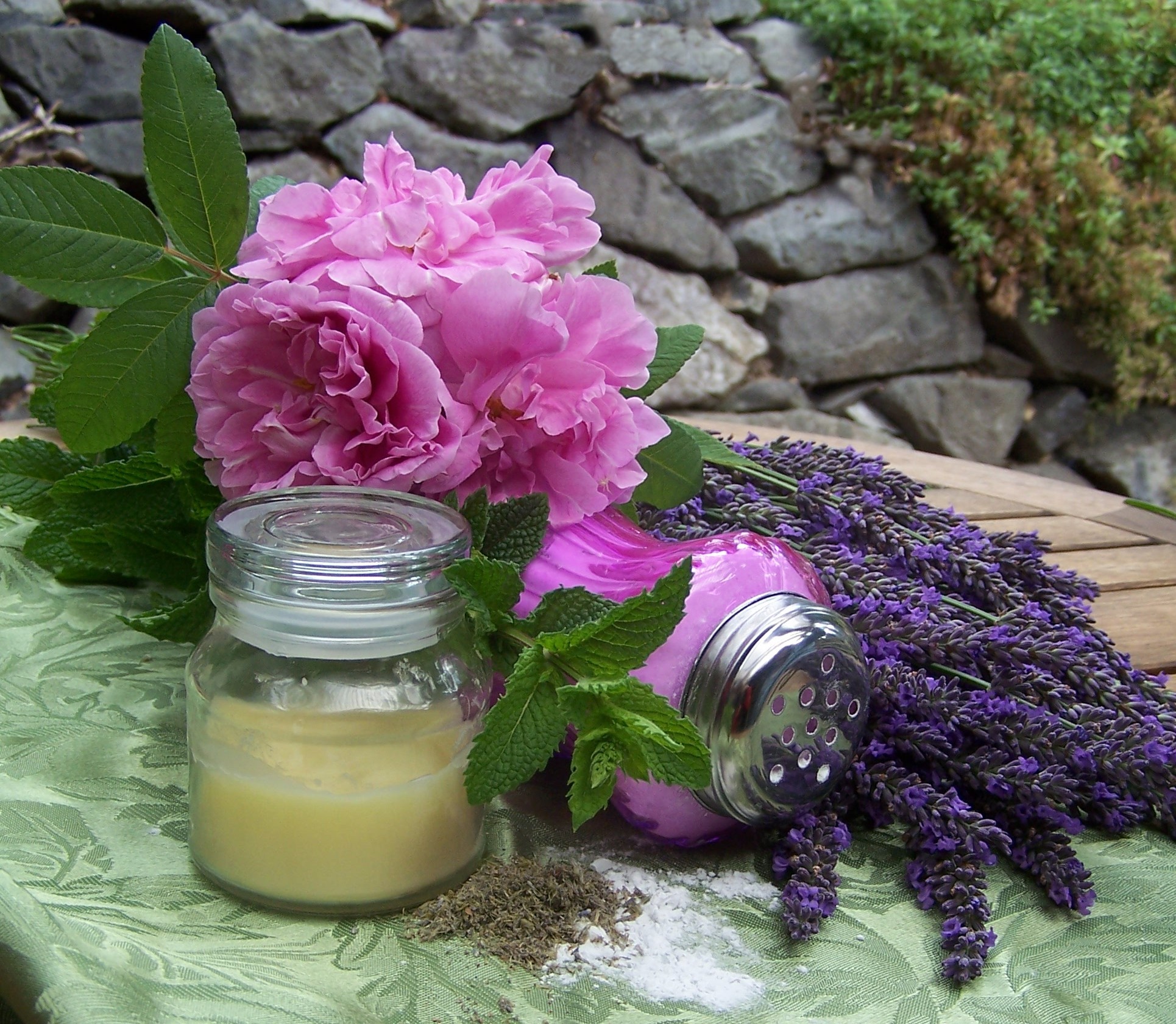
Use peppermint or spearmint leaves, rose-scented geranium (Pelargonium),  lavender buds,  rose petals, lemon verbena leaves, vanilla beans or ginger. All the following recipes become more flavorful as the fragrance infuses into the sugar. Use decorative glass jars that seal tight.

Herb leaf or flower petal sugar

Alternate a layer of sugar and the chosen herb until the jar is full. Allow to sit a few days before use to allow the flavor to infuse through the sugar.

Vanilla Sugar

3 cups sugar and 2 vanilla beans

Directions: Place sugar in a bowl. Using a sharp knife, cut vanilla beans in half,  lengthwise. Scrape seeds from the pod into the sugar. Mix vanilla seeds and sugar to evenly distribute the seeds throughout the sugar. Strain sugar mixture through a fine mesh or cheesecloth into an airtight container. Halve vanilla pods crosswise, and submerge them in sugar.

 Lemon Sugar

3 or 4 small lemons and 2 cups sugar

Directions: Use the zest (the skin) from the lemons. Scrape as much of the white, bitter pith off as possible. Add zest to a food processor and grind with 1 cup of sugar until thoroughly mixed.

Transfer the mix to a medium bowl. Add remaining cup sugar, and toss until evenly mixed. Allow to dry before placing in a glass jar, by spreading the sugar mix on a cookie sheet at room temperature for about an hour or until dry.

Ginger Sugar

In a food processor, whirl together one cup of sugar with a few chunks of candied/crystallized ginger.

Ideas for use:

-Rim the glass of a cocktail with lemon-infused sugar by running a fresh-cut lemon slice around the rim and dipping it in the sugar mix.

-Rose geranium sugar and other herbal sugars are perfect to sweeten tea or to sprinkle on the top of shortbread or scones.

-Use peppermint infused sugar in coffee, tea or hot toddy’s

-Sprinkle vanilla and ginger infused sugar on warm gingersnaps,  fresh from the oven (see my favorite gingersnap recipe)

Last minute gift Idea: Wrap up Tea Time

Wrap up Tea Time


Purchase pre-packaged or make your own blends if you have dried herbs harvested from the summer garden.

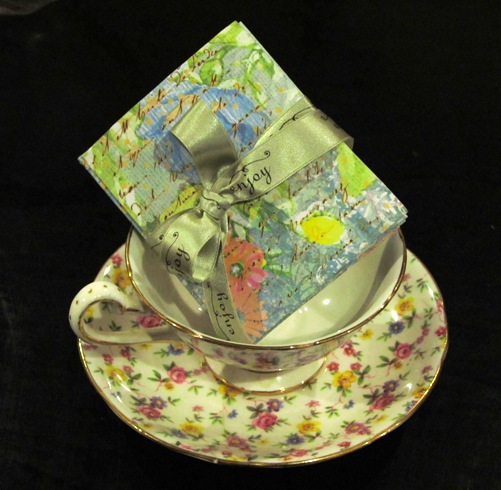
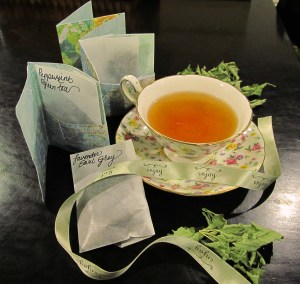
Create a unique card to hold tea bags. Try this easy one sheet (scrapbook paper 12 x 12) folded accordion card,

how-to’s are here:

http://scrapbooking.about.com/od/3dembellishments/ss/onesheetminibook.htm

Gift Package with a tea cup, shortbread cookies, a jar of honey, and a personal sentiment,  plus inspirations that slow the pace and relax with a cup of tea,  like a good book.


Create unique blends to give

Herbal Tea Recipe Blends:
Experiment with flavors you like, try not to add more than three ingredients at a time.
Sweet, Minty and Soothing
1 cup dried lavender buds
1 cup dried spearmint
½ cup dried German chamomile blossoms
A Tangy Touch Of Citrus
1 cup dried pineapple sage
1 cup rosehips, lightly crushed
½ cup dried lemon balm 
A Floral Blend
½ cup rose petals
½ cup lavender buds
1 cup lemon verbena

Herbs Mixed With Indian or China Teas:

Create flavorful blends from purchased bulk teas. Mix a single herb with bulk tea such as Darjeeling, green or Earl Gray to create unique blends.  The homegrown herb will enhance the tea with flavor and fragrance. Begin by mixing the tea 4 parts to 1 part of dried herb.


Combinations to try:

English lavender buds with Earl Gray

Spearmint with green tea

Bee balm with Darjeeling

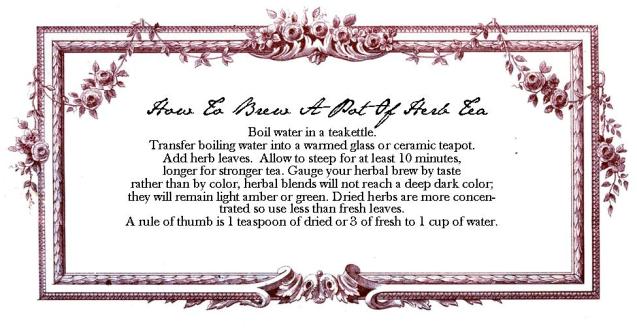
Package hand-blended loose teas in small glassine bags.Seal and label with the flavor and instructions on how to brew.To use: 1 teaspoon of loose herbs per cup of hot water.

Copy this tea label or make your own. This beautiful frame was found at http://www.graphicsfairy.blogspot.com

Bringing in the Greens

Fresh cut greens brought in the home this time of year is a tradition dating back hundreds of years. It identifies with our need to bring the garden indoors when we are spending less time outside.  Traditional winter festivals included “hanging of the greens” or “bringing in the greens” when fresh-cut greenery and branches were brought in to celebrate the harvest and the winter solstice.  Not only for decoration, the plants were also used extensively for their heady, healing aromas. The heavy resinous oils in the needles and branches would freshen and purify enclosed living spaces. In ancient Egypt, aromatic spices and plant resins were items of great value for indoor fragrance and the extensive use of scent by Cleopatra is legendary. Ancient Romans made perfuming a ritual for everything from clothing to the sails of their ships,  leaving much legend and lore through history,  as to their uses.

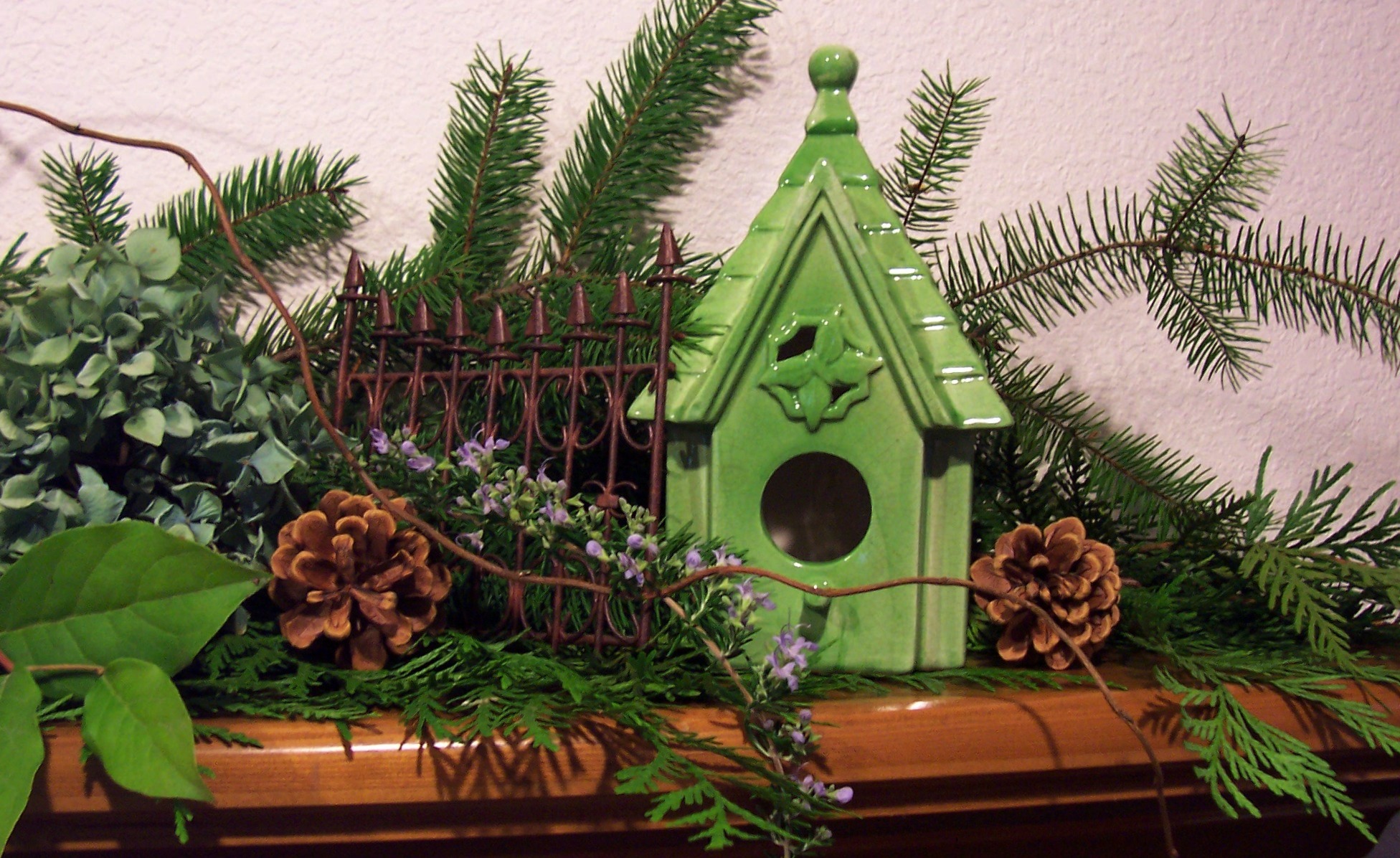
Create your own seasonal traditions by bringing the bounty of evergreens and other natural materials inside. Take a walk through the winter garden and look for interesting seed heads, foliage and branches jeweled with berries. Search for materials with unblemished leaves, sturdy stems and heads that do not shatter when harvested.  Move beyond the traditional greenery of indoor decor and look for materials that incorporate a whole range of natural textures. This different way of looking through the garden can inspire and capture fragrance and colors for wreaths, garlands and arrangements, perfect for adorning the entry hall, fireplace mantles and the dining room. Enhance garden crafting with out of the garden details such as dried fruits, fragrant cinnamon sticks, pinecones and spices.  Follow these tips and ideas to bring it all together.

  • Take a bucket with clean water to immediately place, fresh cuttings in

    salal, pieris, variegated holly, hop vine, douglas fir
  • Use sharp,  clean pruners or scissors to take clippings
  • Remove the lower leaves off stems, so they do not sit underwater
  • Woody stems should be crushed on the ends, so they can take up water easier.
  • Place buckets of greenery in a cool place such as the garage and allow them to sit overnight to absorb the maximum amount of water.
  • When arranging  fresh stems and branches in a vase, re-cut the end of the stem to allow better water uptake. Flowers and greens that can absorb water and stay plumped up will have a longer vase life. Replace water every few day for cleanliness and keep water at the level it needs to be and top off as necessary.
  • Most woody, evergreen branches like cedar and salal will last through a holiday season without water.

Pruning Tips

Don’t cut shrubs or trees in a way that may alter their natural growing habit. For example,  avoid short cuts at the top of woody ornamental plants.  Find selective long branches that allow cuts closer to the base or around the outer edges of the plants. Look for branches that need to be pruned off.  Learn what plants bloom on new growth (like Beautyberry); they can usually be cut heavier. As a rule of thumb, never cut more than one-third of leafy evergreen plants. Conifers and needled branches are cut very selectively.  Avoid cutting where it will permanently re-shape the tree or shrub (unless you are making a topiary!).  Look for undamaged branches that have fallen in the wind or cut small branches where you will naturally want to thin or limb up.

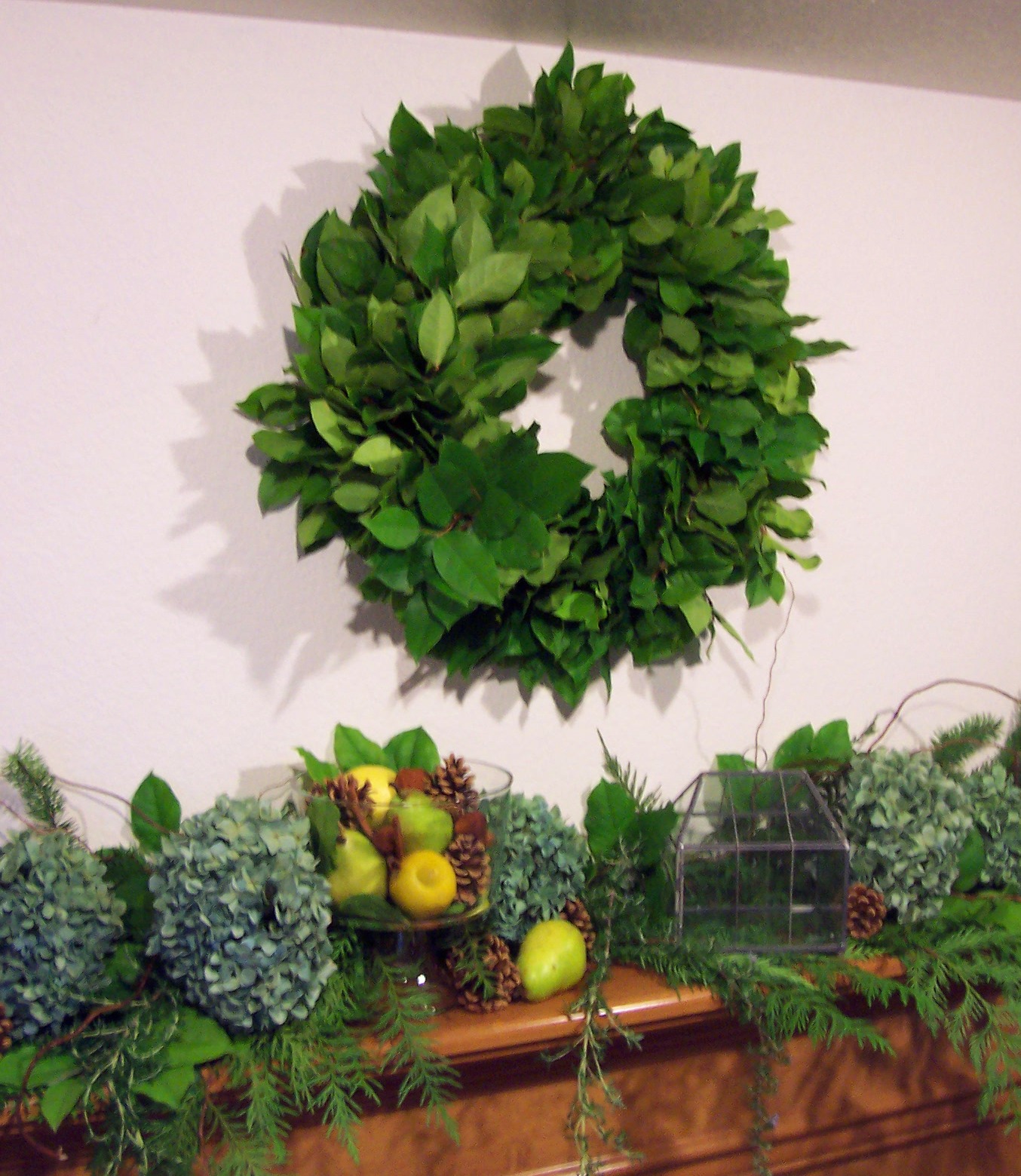
fresh, hand-wrapped salal wreath

 Plants for winter cutting

 For a golden touch:

 Aucuba “Mr. Goldstrike”, Euonymus ‘Silver Queen’, variegated holly, Elaeagnus

Fragrance:

Daphne, Viburnum x bodnantense, rosemary

Colorful stems:

Red and yellow twig dogwood, Coral Bark Maple

Evergreens:

Camellia, Douglas fir, cedar, evergreen huckleberry, ferns, Pieris, rosemary, salal, Mahonia, boxwood

Berries:

Barberry, beautyberry, holly, rose hips, snowberry, cranberry Viburnum, Skimmia

Interesting architectural branches:

Witch hazel, contorted filbert, curly willow

Seed and dried floral heads:

Alliums, ornamental grasses like Miscanthus, millet and pennisetum, Echinacea, Rudbeckia

Decorating Thoughts:

Dried Hydrangea, fresh-cut rosemary, salal, cedar,

Think lush and full, don’t skimp. Look for textures that contrast and set off each other. If you don’t make your own, use pre-made wreath bases and garland to add fresh berry branches and interesting stems. Alternate color and texture to complete the look.

Inside:

Use caution on wood or fabric surfaces. Fresh branches, berries and moisture can stain. Make fresh decor for parties and special events. For arrangements used for longer periods of time, keep greenery fresh by avoiding drying heat sources. Remove fading materials and replace as needed to avoid shedding and fire hazard.

Outside:

Decorate outdoor window boxes and containers, no need for them to remain bare over the winter. Begin by planting spring-flowering bulbs deep in containers. Top the container as if arranging a vase of cut flowers. Arrange fresh-cut holly branches, contorted filbert stems and fir branches in the top-level of soil of the container. Add weatherproof glass bulbs and pine cones for a decorative touch. As the soil warms in the spring, remove the branches as the bulbs emerge for fresh pops of spring.

Teeny, sweet bouquets!

 There are captured flowers in vases as the lavender dries upright beside the Moonshine yarrow and the hop vines. Memories of the summer garden on the buffet in the dining room.

But there is more  about this that makes me smile.  Tucked in front of the large vases of dried flowers are teeny, tiny glass bottles with sweet bouquets of  fresh flowers in them. A gift from my granddaughter last week. One of her favorite things to do is to pick flowers from the garden and leave them for me. She likes to help arrange fresh flowers in the big vases , but it isn’t always easy for her to do her own thing. As is typical for a 4-year-old, she wants to do them herself.

One day, I decided to let her use some small glass bottles as flower vases. I have a collection of old bottles that in the past, just sat on the shelf collecting dust , now they are perfect for my budding garden helper. Every time she visits I get fresh, teeny bouquets in my dining room.

Tread upon my Chamomile


Though the chamomile, the more it is trodden upon, the faster it grows; yet youth, the more it is wasted, the sooner it wears.’ Shakespeare, King Henry IV part 1

The romance of a large chamomile lawn releasing its fresh, green apple fragrance as it is walked on, is  part of my fantasy herb garden…then I think about all the upkeep keeping the weeds out of it and the wreck it would become as my dogs rip through it,  there it stays in the fantasy garden.    (Don’t we all have our garden bucket list?)

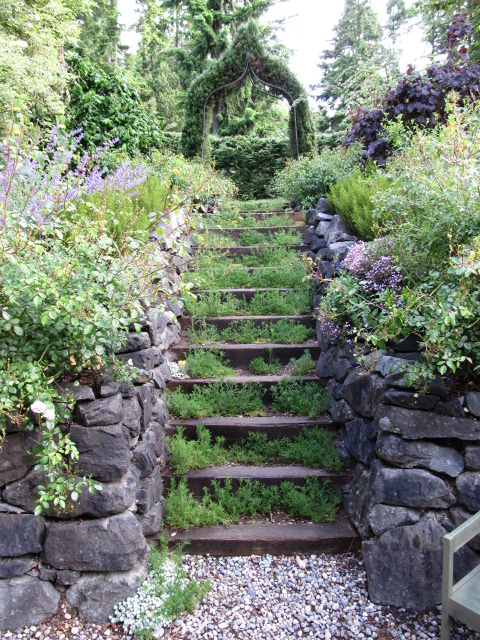
In reality, I planted chamomile in the stairs that lead to my upper garden. It has become more than just fragrant steps, it is gardening therapy. A few times a month in its growing season, I get out my sheep shears and have a bit of aromatherapy as I tidy up the steps. The fragrance is heavy in the air as it is snipped back down to a few inches. This is a garden chore where gloves simply won’t do, I love the scent and oily feel of the essential oil as it lingers on my hands.  It is said that chamomile grows faster the more it is stepped on, it also looks nicer when regularly trimmed like lawn grass. I do like the steps a bit shaggy  but the plants  really fill in much thicker when I keep it clipped.

More about this multipurpose herb

Botanical Name:

Chamaemelum nobile

Common Name: chamomile, ground apple

Culture: Zone 4.  Herbaceous perennial.  Full sun to part shade. Grows up to 12 inches tall and spreads by creeping rhizomes.  Best in well draining soil.

The plants will fill in better with regular watering and shearing.

Ornamental Value:

Chamomile has fern-like leaf shapes and small white daisy flowers. The most prized use in the landscape is as a substitute for lawn grasses. It spreads easily and fills in tightly when trimmed or lightly mowed on a regular basis. C. nobile ‘Treneague’ is a non-flowering variety best for use as green pathways and lawns.  The ornamental value of chamomile has been treasured for centuries as a verdant living carpet or garden bench that releases a tart green apple aroma when crushed.   Plant the double showy flowers of C. nobile ‘Flore Pleno’ as a groundcover under rose bushes. Chamomile is said to have a symbiotic relationship to promote healthy roses. Strong infusions of chamomile flowers and leaves used as compost tea are said to activate compost piles.

Traditional or historical herb use:

The botanical name is derived from Greek meaning “apples on the ground” describing its fragrance when walked upon. The precious oil extracted from the flowers is a bluish color, once distilled it contains azulene, an aromatic fatty substance that promotes rapid healing of skin. Its reputation has become very popular in modern-day for anti-aging and wrinkle treatments. Tea taken before bedtime will promote sleep and dispel nightmares.

(excerpt from- Herbs By Design, a guide to landscaping with herbs- coming soon)

In Love with Lavender

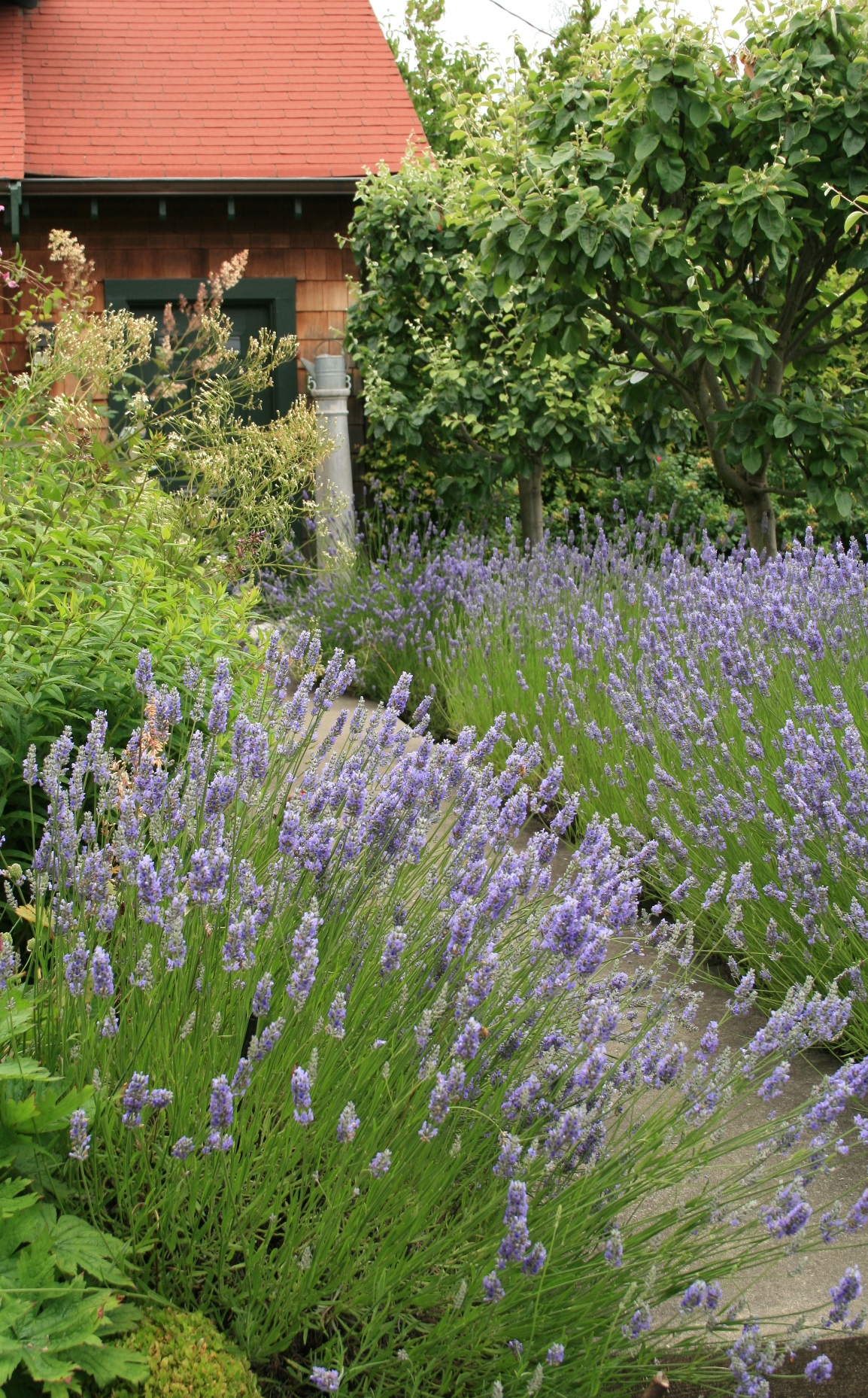
a drift of color greets guests to the front door as it spills along a walkway.

Every season about this time, I feature an article in my newspaper column on growing lavender. The subject and fascination with this plant makes it one of my most requested herb talks. There is a romantic allure to the purple haze of blossoms in the garden this time of year. The festivals begin in mid-July and fragrance fills the air on a hot summer day as the essential oils are released.  The charm is not only about growing it in the garden.  The legend, lore and history of lavender can be just as enchanting as growing it.

I once heard it termed as the Swiss army knife of herbs and that is an apt description. It does just about everything a herb should do. The use of lavender buds and essential oil  dates back thousands of years.  It has recorded uses for over 2500 years, from medicine to cooking; it has stood the test of time. Many herbs go in and out of favor as their attributes are found to either not work or to be too powerful to be safe.  Lavender has never gone out of favor and is as popular as ever.  The essential oils are in all parts of lavender from roots to leaves, but the flowers are the only part that oil is distilled from. The aromatic oil of lavender has powerful natural ingredients that are prized in perfume but also for medicinal qualities.  The principal components of the oils depend on where it is grown but include properties that are antibiotic, antiseptic, skin renewing and healing, calmative, pain relief, insect repellant and nerve tonic. Culpepper’s historical herbal gives testament to many “interesting” healing properties including sluggish maladies, strengthening of the stomach, a gargle against toothache and to reduce the trembling and passions of the heart.

The name lavender is derived from the Latin lavare which means “to wash”.  It was used extensively in history by Romans as perfume for the bath. In areas of Europe and the middle east where it was native and plentiful is was used as a strewing herb; harvested stems were strewn across the floors of home and churches to cleanse and repel flies and mosquitoes.

English lavender and its cultivars are the most common grown in our gardens and of note; English lavender did not originate in England but was a plant introduction as it spread its way into France, Italy and Spain.  The first notation of lavender cultivated in England was in 1568, and has since become synonymous with English gardens. An air of Victorian melodrama comes with lavender lore as it was used as an aromatic spirit to prevent fainting spells and swooning.

Capture the use of lavender and its legendary attributes:

(Use caution on sensitive skin and test for allergies first!)

  On your next camping trip take a bottle of lavender essential oil: Dab it on bug bites for itch relief, dab on minor burns for fast healing and soothe a headache with one drop of oil on each temple and gently massage for 15 minutes.

 Mist sunburned skin with a cooling lavender water mist: To make a mist, simmer ½ cup of fresh lavender buds in 4 ounces of purified water for at least 15 minutes. (Do not boil, just simmer). Allow to cool, add 10 drops of lavender essential oil (found in health food stores). Place in a glass bottle with mister spray top. Shake well before use and mist on sunburned or itchy skin.

Fill a fabric sachet with dried lavender buds and place the car as an air freshener. The added aromatherapy properties have a calming effect for tense times in rush hour traffic.


(Recipes from the second in the series of Creative Garden Guides- “In Love with Lavender” by Susan Goetz

Booklets may be purchased by post or online. For more information www.thecreativegardener.com

Herbs on ice

Back again. As spring came in…like a lion, the blog sat with no new words but many ideas rolling around on my to-do list.

Lets get going again. It is mid-summer and the garden is over abundant with color and fragrance and I wouldn’t want it any other way.

One of my favorite things is when the herbs start begging for attention. Pick me! Pick me!  A perfect way to capture the flavor of fresh herbs is to freeze them into ice cubes. Simple, easy and perfect for dropping into sauces, soups and drinks. The herbal flavor melts  into your recipe. Oregano, basil, chives, mints, thyme all your favorite herbs can be frozen at their freshest.

On a recent visit to the local Ace hardware, I found these sweet little ice-cube trays shaped liked leaves and hold the perfect measure of herbs.

How about a teaspoon of spearmint to chill out a Mojito or

a lavender kick to a glass of lemonade.

Lavender and Mint Cubes

Cut fresh spearmint, place one leaf in an ice cube space.  Cut fresh lavender ‘Hidcote’ and gently strip the buds off of the stems. Add them on top of the mint leaf. Fill with water. Freeze. After frozen, pop out and place into freezer storage bag for next use.

Try this too! Rub on overheated skin or burns to cool down as the healing power of herbs works their magic.


Recycle!

This is a post from my former blog that is timely considering it is a chilly day and the tea kettle is whistling!

A blustery day and tea…

It seems a blustery, cold fall day sends us a signal to go inside for a hot cup of tea. One of my favorite ways to use herbs fresh or dried is to blend them with different types of black or Chinese teas.

These types of tea that are typically purchased and are really just the many ways Camellia sinensis (the true tea plant) is harvested, dried and preserved. Purchase them loose and handblend flavorful teas with your own herbs from the garden. Flowers harvested for teas include German chamomile, lavender, calendula, roses. Leaves include lemon verbena, mints, bee balm, sage, rosemary.

How to blend your own teas:

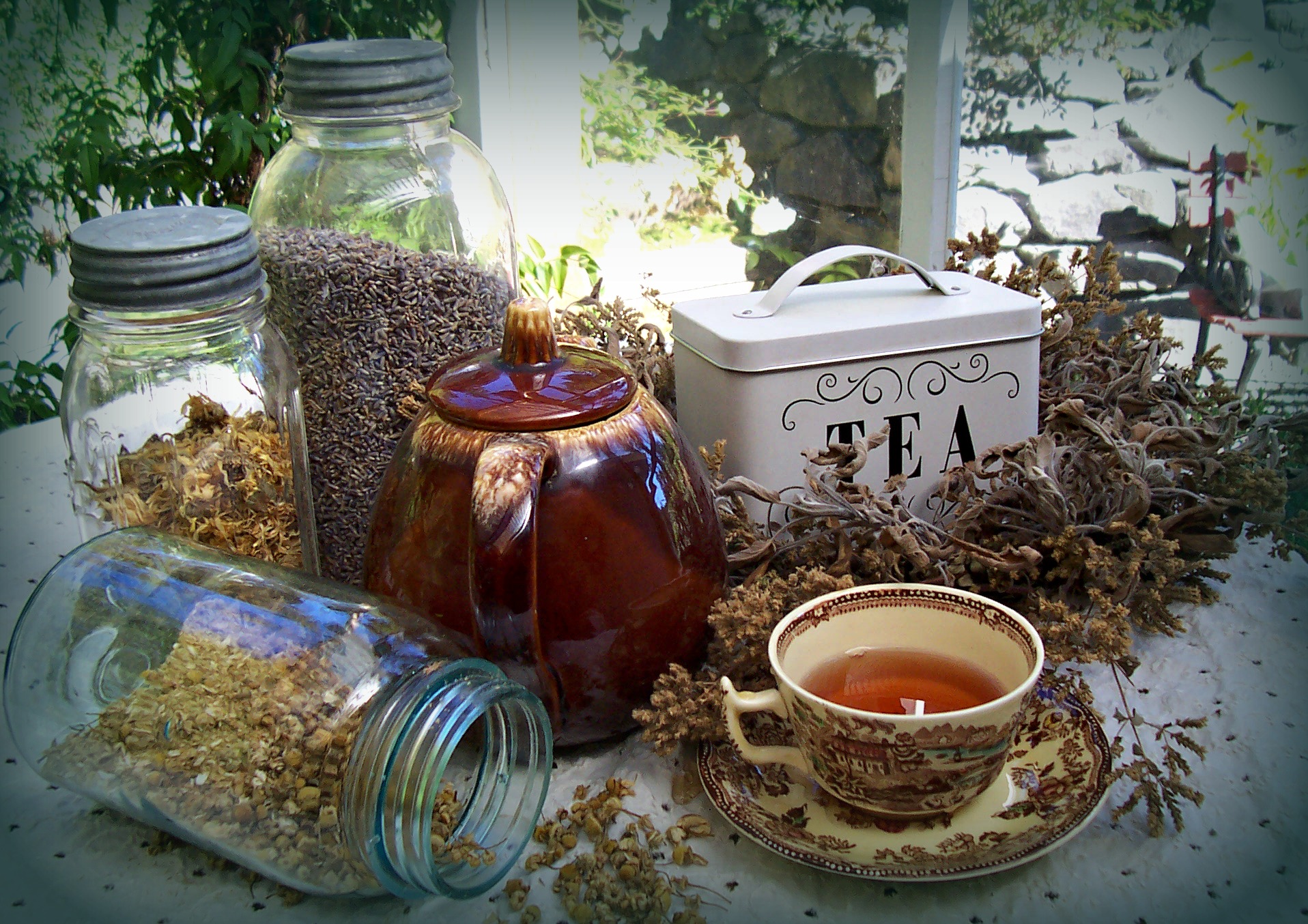
Harvest herbs from the garden and dry them. Store in glass jars. These will be like your own buffet of flavors to add to ordinary teas.

Mix a single herb with purchased tea such as Darjeeling, green or Earl Gray to create flavored blends:

Combinations to try:

Lavender buds with Earl Gray

Mint leaves with green tea

Bee balm leaves and Darjeeling

Rose petals and irish breakfast

Chamomile flowers and white tea.

To use: measure approximately 1 teaspoon of loose herb per cup of hot tea. Adjust to taste